
Union City City Directory Holdings
No standalone alphabetical series was printed under the modern Union City name. The strongest coverage comes from regional directories that name southern Alameda County. Others list neighboring Hayward. Some cover the older communities that later became Union City. The table separates a firm holding from a useful lead. The Haines run is an address-first street directory held at Oakland Public Library. The Polk volumes need a title-page check before you assume any Union City entry. Neighboring-city records matter here too.
| Collection | Years | Where Held | Access |
|---|---|---|---|
| Haines East Bay/Southern Alameda County criss-cross, Haines & Company | 1973-1982; 1984-2019 | Oakland Public Library, Magazines & Newspapers Collection | Onsite |
| Polk's Hayward Directory, R. L. Polk & Co. | 1956/57, 1959, 1962, 1965, 1967, 1969, 1971, 1976 | Oakland Public Library, Magazines & Newspapers Collection | Onsite; check title page |
| Polk's Hayward & San Leandro Directory | 1948, 1951 | Oakland Public Library, Magazines & Newspapers Collection | Onsite; pre-incorporation context |
| Oakland alphabetical directories, including Husted and Polk | 1869-1943; linked scans chiefly 1869-1928 | Oakland History Center and linked digital copies | Onsite and online; regional comparison |
| California State Library directory catalogs | Exact Union City years not verified | California History Section catalog route | Search by Alameda, Union City, Alvarado, Decoto, or Hayward |
The Haines shelves carry a documented 1983 gap. So a missing year does not mean an address had no listed household. Polk Hayward and Hayward-San Leandro titles may include Decoto, Alvarado, or suburban matter. The public inventory does not say which local streets appear in each edition. Oakland volumes give useful East Bay context. Still, Oakland geography is never automatic Union City coverage. Remember that years in the table are holdings spans. They are not a promise that every volume holds every Union City address.
Note: Directory years identify known holdings, not proof that every Union City address appears in every volume.
Union City City Directories Before 1959
Union City was incorporated on January 13, 1959. Alvarado, Decoto, and New Haven had already built their own identities before that. A household recorded earlier may be indexed under Alvarado, Decoto, Washington Township, Hayward, or southern Alameda County. The same rule covers maps, newspapers, school records, and any printed city directory. The 1962 hills annexation changed the legal footprint again. Searching only the modern city name can erase the entry you need.
Alvarado adds a useful clue. Alameda County was created in 1853. Alvarado served as the original county seat before Oakland took that role in the 1870s. That history puts a predecessor community near the start of county recordkeeping. Work chronologically. Use the place name from the target year. Then compare the result with a later Union City record.
The Washington Township Museum historical papers collection pulls those older place names into one research path.
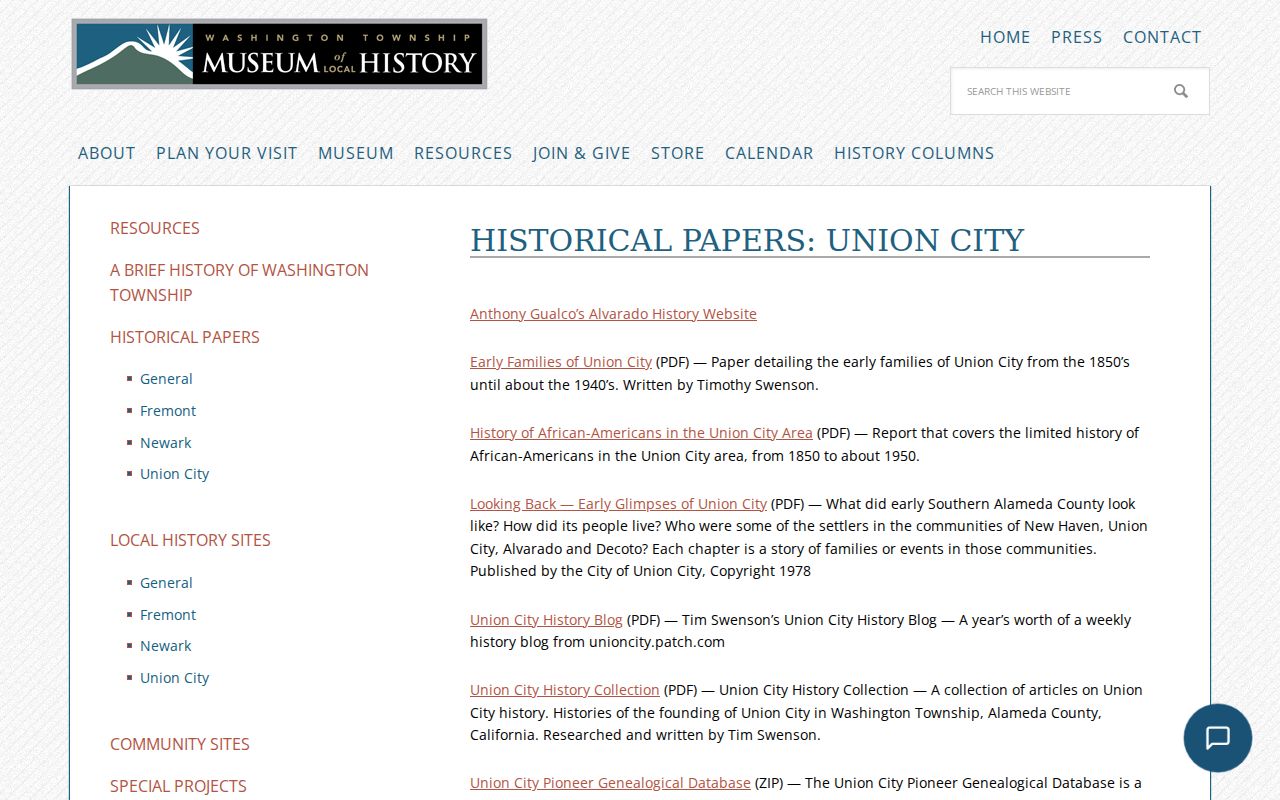
The collection holds early-family studies, Alvarado and Decoto biographies, and the city-published 1978 volume Looking Back - Early Glimpses of Union City. These papers supply names and context. Even so, a compiled narrative still needs deeds, probate, census, vital, church, or newspaper records behind it.
Union City City Directory Checkpoint
Union City Library sits at 34007 Alvarado-Niles Road. It is an Alameda County Library branch. It makes a sensible first call for any local collection question. Hours run Tuesday and Wednesday from 10 a.m. to 6 p.m. Thursday hours are 10 a.m. to 8 p.m. Friday runs noon to 6 p.m., and Saturday runs 10 a.m. to 5 p.m. The branch offers computers, scanning, and community-language collections. Call (510) 745-1464 or write to unioncitylibrary@aclibrary.org.
An Alameda County services directory describes a local history file at the branch. The official location page does not itemize city-directory volumes. Nor does it list telephone books, obituary indexes, newspaper microfilm, or licensed genealogy databases. That gap is not proof the branch owned none of those items. Ask staff to check the catalog and the local-history file before an onsite visit. Coverage may include Union City, Alvarado, Decoto, New Haven, and Washington Township. Confirm what is held and whether a reader or staff appointment is needed.
The Union City Library branch page is the best source for current hours. It also carries current contact details.
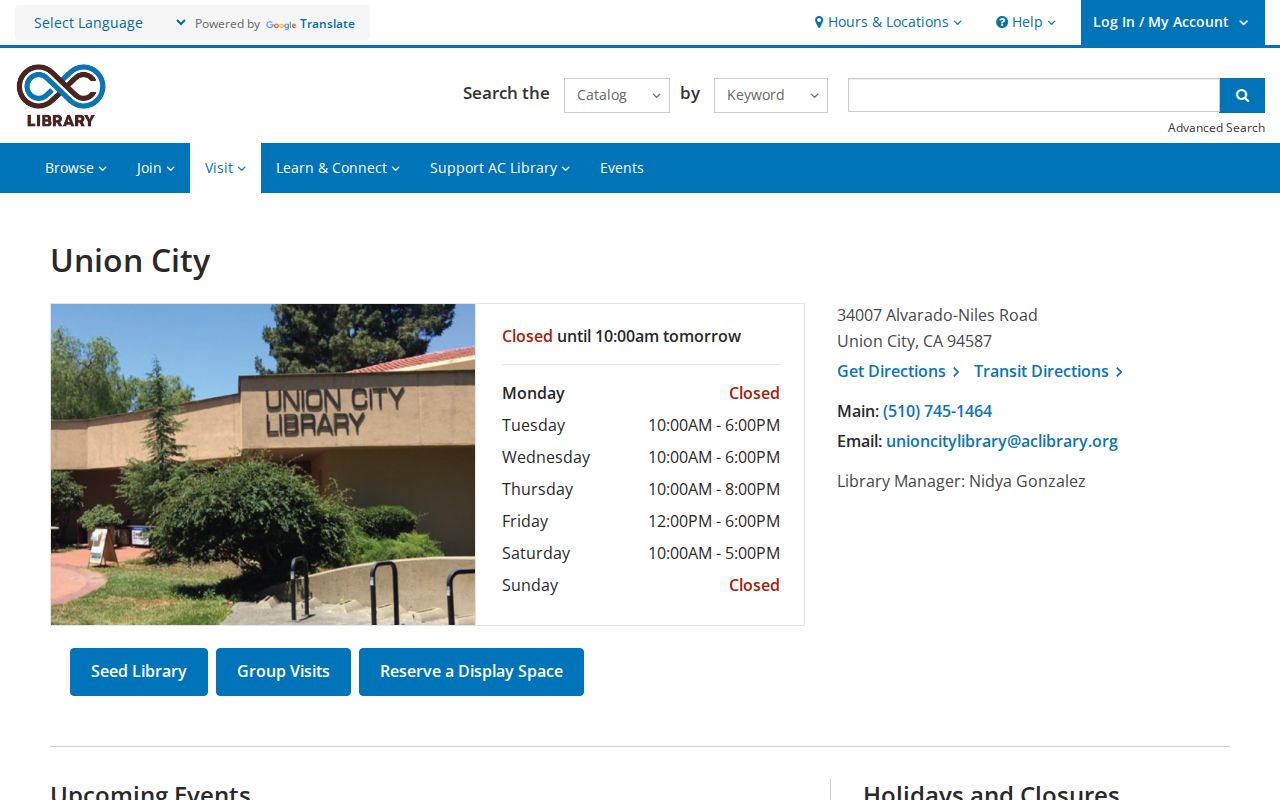
The image points to a real access channel, not to an unlisted shelf run. A careful request names the person, street, date range, and older locality. Treat any staff lead as a starting point for record-level proof.
Note: A library catalog gap tells what the public page verifies, not what staff may hold in an uncataloged local-history file.
Oakland's Union City City Directory Sources
The Oakland History Center gives the East Bay its broadest regional fallback. It occupies the second floor of the Main Library at 125 14th Street in Oakland, and reference staff answer at (510) 238-3222. Named holdings run deep. Oakland directory volumes span 1869 to 1943. Alameda County voter registers cover 1867 through 1944. County censuses reach from 1870 to 1960, alongside biographical files and obituaries from 1951 to 1993. For Union City research, the county voter and census material often beats an Oakland-only household listing, since the geography actually reaches this side of the bay. Each volume still needs a geography check.
The center also links digitized Husted and Polk directories, plus reverse volumes, telephone books, and family-history guidance. Oakland alphabetical runs are a comparison source. They cannot replace a local Alvarado or Decoto directory. Reverse volumes arrange names by address or telephone number and reveal how a place was indexed, while an alphabetical city directory may add occupation, spouse, or business details. Note the volume title, year, page, and coverage statement.
The Oakland History Center directory collection page shows where digitized and onsite East Bay material is described.
Union City has no verified, continuous city-named directory shelf. That gap makes regional access matter, and library staff can also field limited obituary or death-notice requests by phone, email, or mail.
Washington Township Museum City Directory Leads
The nonprofit Washington Township Museum of Local History, at 190 Anza Street in Fremont, holds the most genuinely local research mix for Union City. Its reference library does not circulate. Visit during public hours or by appointment. Shelves hold local-history books, yearbooks, newspapers, original documents, clippings, maps, blueprints, ledgers, audio recordings, and research files. Selected Alameda County assessor books cover 1893 to 1902. Thousands of photographs cover Fremont, Newark, and Union City. Part of that collection is searchable through PastPerfect.
Downloadable Union City papers include early-family studies from the 1850s through the 1940s. There is also a study of African-American residents from roughly 1850 to 1950, homes and owners of Vallejo Street, Alvarado and Decoto biographies, and the 340-person Union City Pioneer Genealogical Database. That GEDCOM generates names and kinship leads, but it is not a deed, census, probate file, or certified vital record. Search the compiled material first. Then prove each relationship with the underlying record.
The museum research-library page describes the collection, contact route, and PastPerfect access.
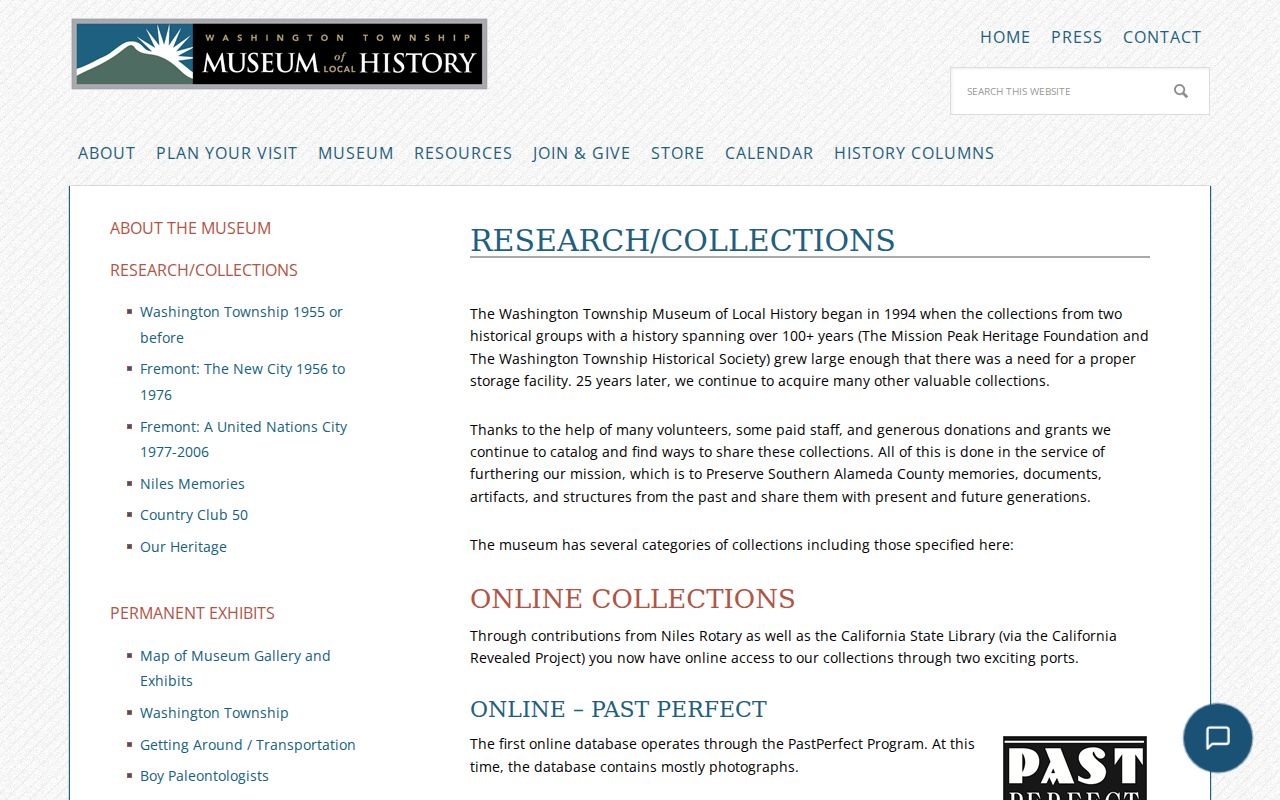
Some directory clues carry an Alvarado or Decoto label. The museum is the natural stop for those, or whenever a surname needs a local story before a formal record search begins.
Research lead, not proof. A compiled family tree or museum paper can connect names and places, but title, kinship, and identity still need an independent record with a date and custodian.
How a Union City Directory Entry Reads
No verified Union City, Alvarado, or Decoto residential entry has an openly viewable scan. Oakland Public Library describes its digitized Husted and Polk material as residential and business listings. Its reverse directory runs by address or telephone number. Open a physical volume and inventory the fields. Never assume every publisher used the same marks.
| Name | Surname, given name, and middle initial; a spouse may appear in parentheses. |
|---|---|
| Occupation | Trade or calling, sometimes with a business name or work address. |
| Home address | House number and street, with a telephone number in later editions when listed. |
| Residence marks | Letters such as h, r, or bds may distinguish home, rooms, or boarding; confirm the volume key. |
| Spouse or widow note | Parentheses or a wid note can supply a relationship clue, not final proof. |
| Owner or renter mark | If a volume uses one, record its symbol and definition. An address listing does not establish title. |
Move from the alphabetical name section to the street guide or reverse section when one exists. A shared telephone number can tie two entries together. A missing number proves nothing about absence. Missed canvass work, an unlisted telephone, rural-delivery coverage, a spelling error, or publication under Alvarado or Decoto can each create a gap. Note the reason before concluding anyone left.
- Criss-cross directory
- An address-first section that runs by street and number, sometimes with occupant or telephone information.
- Householder index
- The alphabetical name side used to locate a head of household before checking the address or reverse section.
- Abbreviation key
- The publisher's explanation of marks such as home, rooms, boarding, widow, or business; read it before expanding a symbol.
- Owner or renter mark
- A publisher-specific notation that may describe the listing, but cannot replace an Alameda deed or assessor record.
Tracing a Union City City Directory Household
A Union City city directory household trail builds one dated fact at a time. Begin with a full name and a street address. From there, record the spouse, the occupation, and any telephone listing. Small details confirm a match faster than broad guesses. Neighbors on the same page matter too. A past residents cluster often proves the family lived there. For coverage, the Haines editions run strongest from 1973 through 1982 and again from 1984 to 2019. Earlier Polk volumes can help as well. But first check whether that year's geographic scope actually included Union City. The National Archives census research page explains the released population schedules. Those schedules let you test a directory clue against another record.
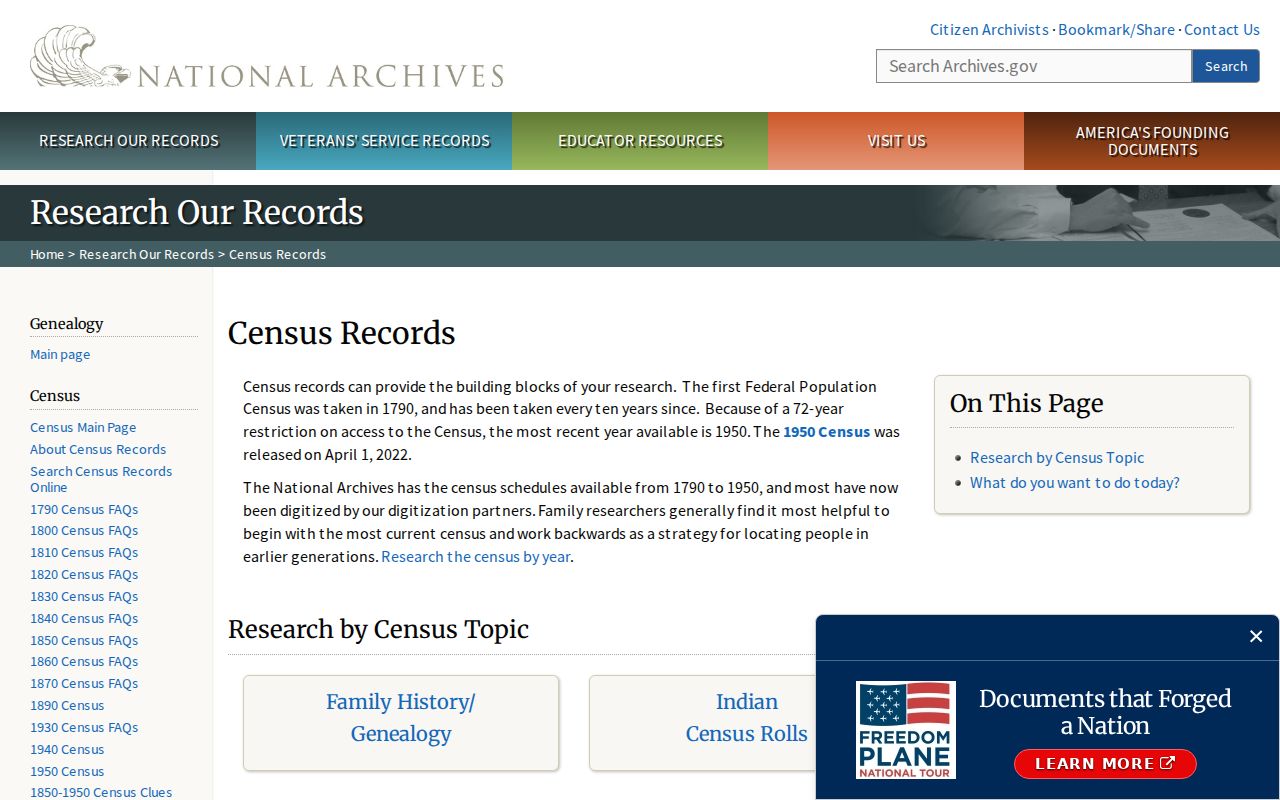
The census image belongs beside the dated directory entry. It never replaces the entry. Census geography before incorporation may say Alvarado, Decoto, or Washington Township, even when the modern address now sits in Union City.
- Normalize the target year to Union City, Alvarado, Decoto, New Haven, Washington Township, or Hayward, then search spelling variants and initials.
- Locate the name in the alphabetical section and copy the publication date, address, relationship note, occupation, and any telephone number.
- Check the street or criss-cross section for the same number and nearby entries, while noting the volume's printed coverage statement.
- Use the next available edition rather than assuming annual publication. Treat the 1983 Haines gap as a shelf gap, not a life event.
- Pair the directory date with the closest released census, allowing for a directory canvass to precede its cover year.
- Test the result with a deed, assessor book, obituary, probate file, yearbook, or vital index before describing a relationship as established.
Names vanish from directories for ordinary reasons. A repeated address suggests continuity, not proof of ownership. Nor does print capture every household member, so check for a move, death, remarriage, unlisted telephone, changed spelling, or a new locality label.
Union City Newspapers Beside the City Directory
Newspapers and yearbooks give a city directory its human texture between editions. The Washington Township Museum keeps news clippings connected to the Union City Leader. That paper tracked the 1960s New Haven school-name controversy. Its compiled history also recalls Outlook. Outlook was a bilingual Spanish and English paper. It began in 1975 and did not last long. The museum publishes no online index of issue runs for either title. Ask the staff about donated issues, local indexes, and the PastPerfect catalog. Do this before counting on any particular date.
Yearbooks matter just as much here. The museum holds Washingtonian from Washington High, Roundup from Thornton Junior High, and Evergreen from Irvington Elementary. Chasing a Union City classmate from a different campus? Ask about James Logan High School titles and Alvarado or Decoto school volumes too. The reason is simple. New Haven Unified formed in 1965 from the Alvarado and Decoto districts plus James Logan High School. So today's school name may not match the historical catalog key. For wider regional coverage, the California Digital Newspaper Collection and the Oakland History Center indexes serve as fallbacks.
The Online Archive of California opens one more door. It adds manuscript and institutional records for East Bay people and organizations.
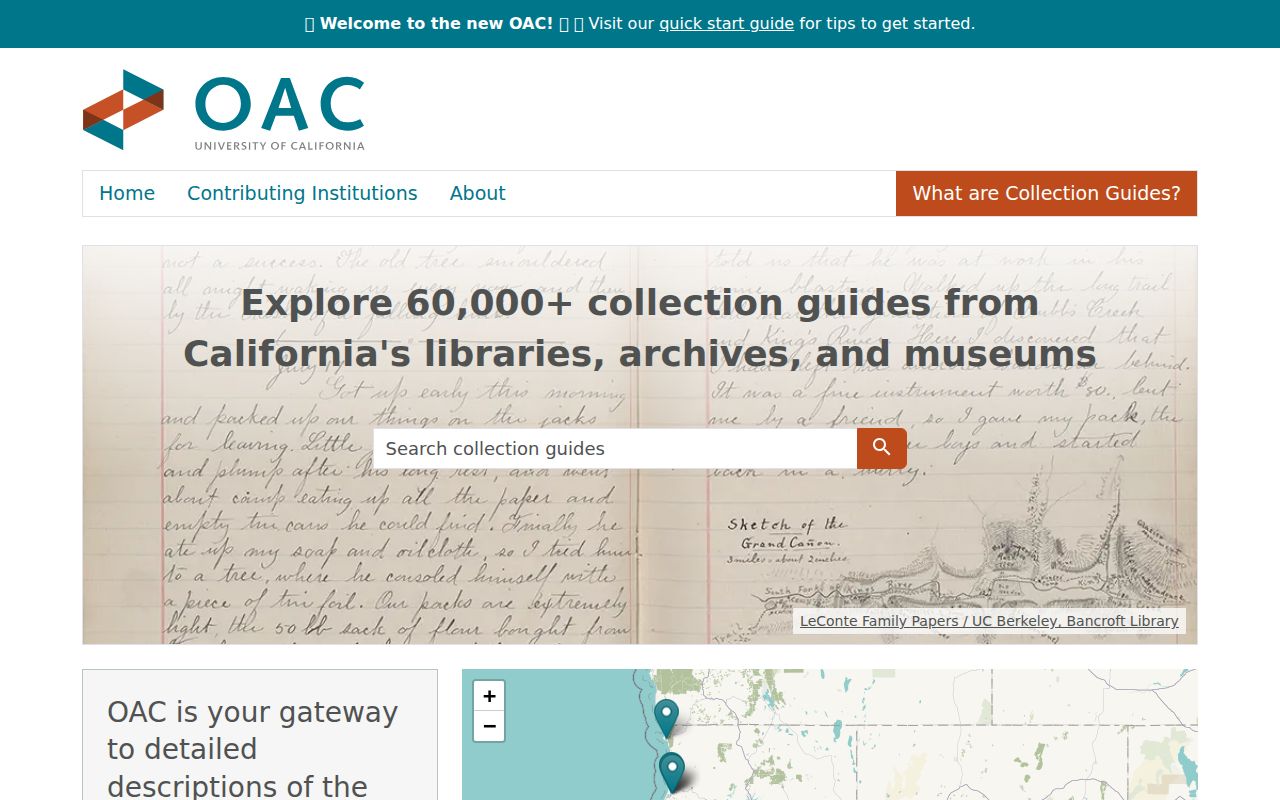
These sources explain why a name, school, or street shows up in one Union City directory year and vanishes the next. The directory itself still anchors the address and occupation clue.
Pair Union City Directories with Census
Federal population schedules stay sealed for 72 years. The public line currently stops at 1950. That cutoff matters here. Union City was not incorporated until nine years after 1950. The released schedule may name a Washington Township district or a predecessor community. It may not name a Union City street. Census entries add details a printed volume never shows. These include household relationships, age, birthplace, immigration or naturalization status, occupation, and residence notes.
Treat the directory as the tighter time marker. A volume dated near a census year may have been canvassed before its cover year. Street spellings can differ between the two. Compare house numbers, street forms, household names, ages, spouse or child links, and occupations line by line. The 1960 census will not open until 2032. For post-1950 gaps, lean on Haines, voter registers where lawful, newspapers, school records, deeds, and local collections.
| 1853 | Alameda County recordkeeping begins; Alvarado was the original county seat. |
|---|---|
| 1950 | Latest public federal population schedule at the research cutoff; use predecessor place names. |
| 1959 | Alvarado, Decoto, and New Haven are joined in Union City incorporation. |
| 1962 | Eastern hills are annexed, changing the city's legal footprint. |
| 1965 | New Haven Unified combines earlier district identities and changes school catalog clues. |
| 1973 and after | Verified Haines southern Alameda County criss-cross coverage begins, pauses in 1983, and resumes in 1984 through 2019. |
Verify a Union City City Directory Clue
A directory clue grows strong when a second custodian backs it up. Take the name, address, spouse, occupation, or year from the entry. Then pick the record that can actually test that fact. Deeds establish recorded title parties and legal descriptions. Assessor books and parcel maps tie a place to its APN. Census schedules and yearbooks check household or school context. Obituaries and probate, meanwhile, link a death to relatives. A vital record carries its own authorized and informational-copy rules.
Keep the layers distinct. A listed address is not proof of ownership. A deed does not prove every named party lived at the property. A compiled genealogy is not a certified relationship record. Note the source title, page, access location, and date checked each time. Is the aim moving from a historical entry to one living person? The Union City resident lookup workflow helps compare identity clues. Is the real question the modern chain along a parcel? The Union City street records route beats rebuilding the historical shelf.
Lawful family history, reunion research, and local civic study all reward careful limits. Do not publish sensitive details. Do not treat a directory gap as proof of absence. And never use a historical clue to pursue a living person. A precise place name helps. A dated volume helps. Two independent records help most. Together they make any Union City city directory search more useful and more honest.