
Previous Residents of a Union City Address
An address history has a title layer and a household layer. The Alameda County Recorder can show named parties in recorded instruments, while directories and census schedules can show a person connected with an address without proving ownership. Permits add dates and project roles. Probate, obituaries, and vital records may close a life or family trail. The era table keeps these roles distinct and identifies where each source is actually held.
| Source | Years It Covers | Where Held | What It Shows |
|---|---|---|---|
| Alameda Official Public Records electronic index | 1969-present | Alameda County Clerk-Recorder online | Party names, recording dates, document types, and instrument references |
| Recorder microfilm and deed books | 1853-1968 | Public Records Room, 1106 Madison Street, Oakland | Earlier grantor/grantee trail and recorded legal descriptions |
| Haines East Bay/Southern Alameda County criss-cross | 1973-1982; 1984-2019 | Oakland Public Library, Magazines & Newspapers Collection | Address-to-listed-occupant clues and later telephone entries |
| Polk's Hayward and Hayward & San Leandro titles | 1948, 1951; selected 1956/57-1976 | Oakland Public Library | Earlier regional household and business clues, subject to title-page coverage |
| Federal population census | 1790-1950 released schedules | National Archives and library databases | Household relationships and residence details by enumeration geography |
| Union City Building Division permits | Coverage start not published | City Building Division and request channels | Addressed work, dates, and applicant, owner, or contractor roles |
| Sanborn fire-insurance maps | Union City run not verified | Library of Congress and UC Berkeley Bancroft search routes | Building footprint, use, and material clues where a sheet exists |
Start with the current parcel when the question concerns ownership. Start with a directory or census when the question concerns a household in a past year. The Recorder has no address index, so an address alone cannot retrieve an old deed. Conversely, a directory entry can disappear because a person moved, was missed by a canvass, used another locality name, or appeared under a spelling variant.
Note: The Recorder's index is party-based, so an address must become a parcel and named instrument before the search can move backward.
Start a Union City APN Trail
A current address is a starting label, not the durable identity of land. Open the Union City Public Viewer, search the numbered street address, zoom until parcel lines show, and click the parcel. The popup supplies the property address and APN, along with a Summary. The Alameda Assessor Property Search then accepts a Parcel Number, Type Ahead Address, or Property Address. It does not provide a verified public owner-name mode, so current ownership or taxpayer information may require the Assessor's office at 1221 Oak Street, Room 145, Oakland, or its published phone line at 510-272-3787.
The APN is an administrative parcel number, and parcel divisions or combinations can change it. The situs address is the physical location. A tax mailing address is where notices go and may belong to a different place. None of those fields alone proves where a person lived. Keep the address, APN, map reference, and current legal description together before looking for previous residents.
The Alameda County Clerk-Recorder services page shows the county record custodian that receives the title side of the inquiry.
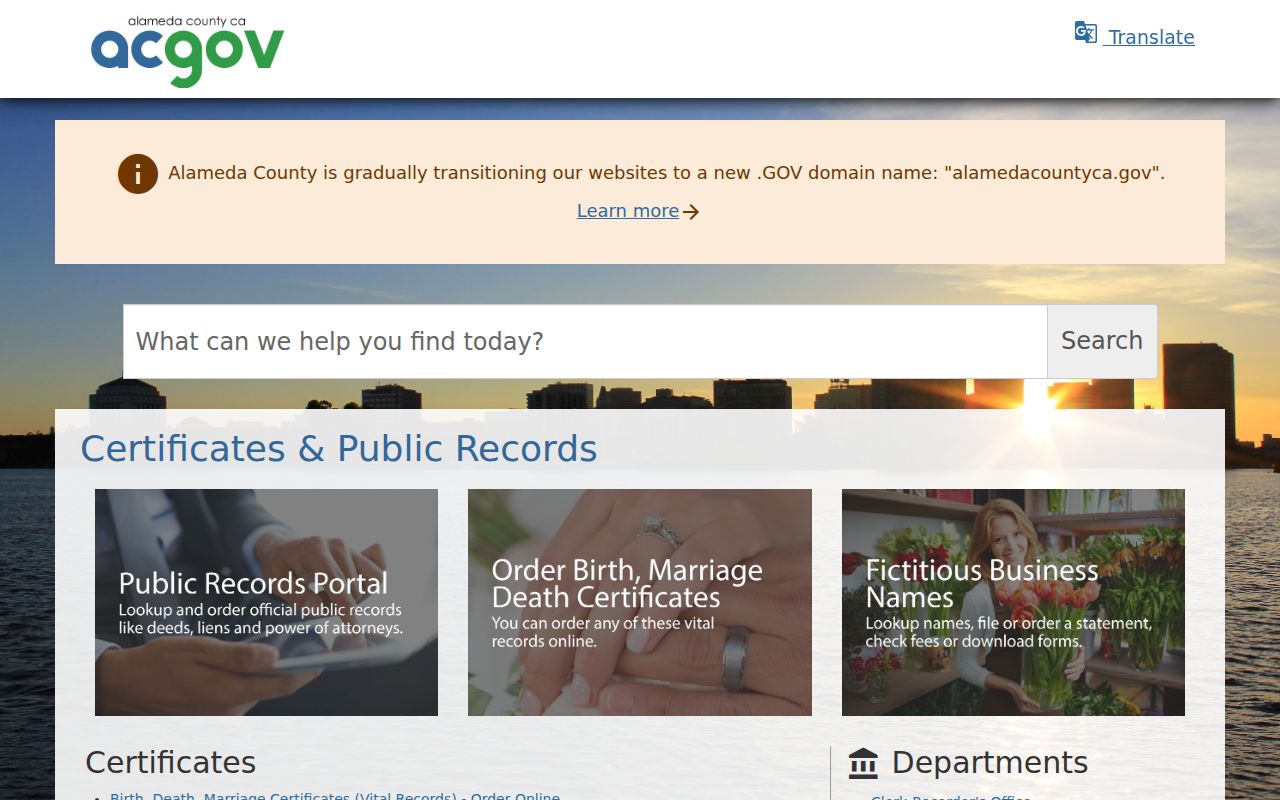
That office route complements the parcel lookup: the map finds the land, the Assessor helps identify the current title trail, and the Recorder supplies the recorded instrument needed to step backward.
Cross Union City's 1969 Index Line
Alameda County real-property records reach back to 1853, when the county was organized. The access split comes in 1969. Documents from 1969 forward are electronically indexed through the Official Public Records route. Indexes from 1853 through 1968 are on microfilm and must be searched in person at the Clerk-Recorder's Oakland office. This is a format boundary, not evidence that an older deed was destroyed or that previous residents did not exist.
The online copy-order form is not a broad address search. It expects an instrument number, book and page, or reel and image reference found through the index. The county lists plain copies at $3.50 per page and certified copies at $4.50 for the first page plus $3.50 for each additional page. Online orders add a $2 convenience fee. Mail requests require the instrument number, payment by check or money order, and a self-addressed stamped envelope. Counter printing stops at 4:15 p.m., and large orders can take 1-3 business days.
The Alameda Clerk-Recorder fee page is the source for the current copy and payment details.
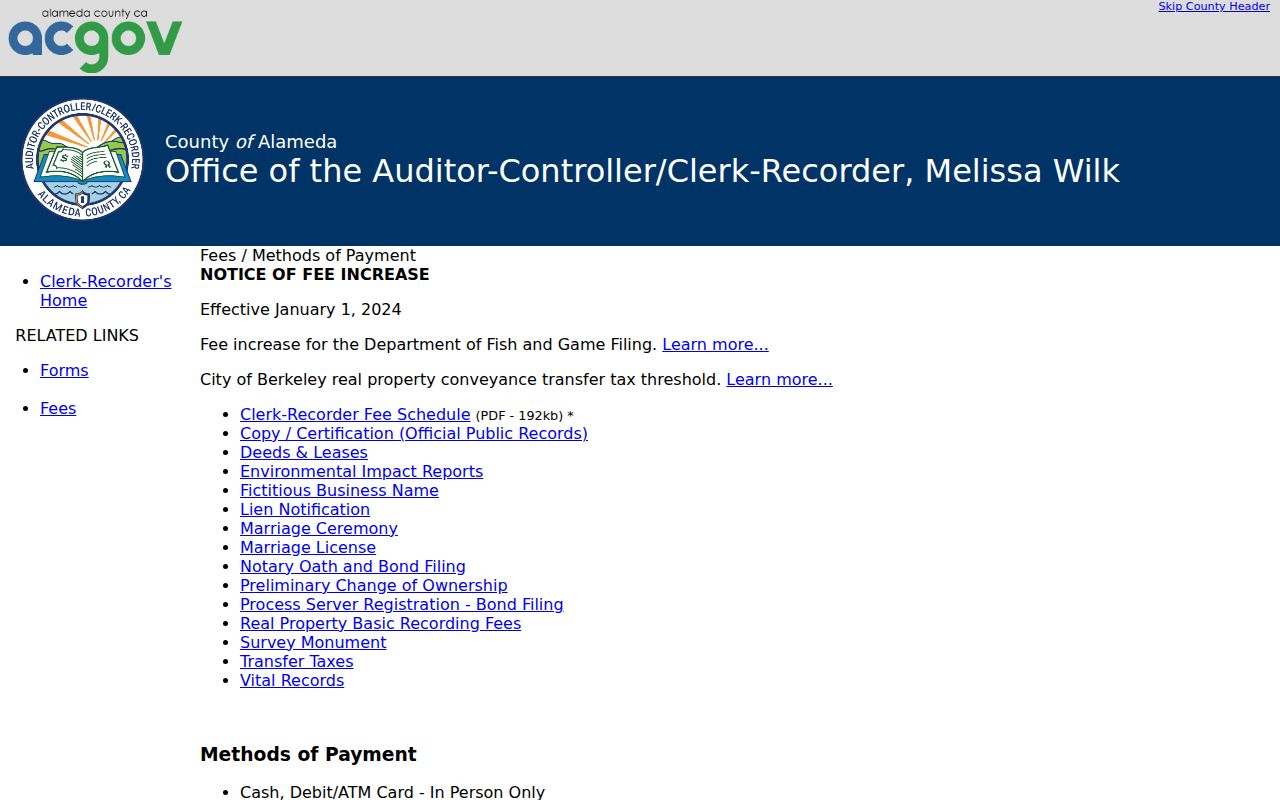
Plan for two work modes: electronic name-index research after 1968, then an Oakland microfilm visit for the older section. Keep the cutoff visible in notes so a failed online search is not mistaken for a failed historical search.
Trace Union City Previous Residents Through Deeds
Once the current title party is known, the backward deed chain becomes a name-to-name process. The current grantee is the person or entity that received title in the deed. That instrument names the grantor, who is then searched as an earlier grantee. The street address helps locate the parcel, but the deed's legal description is the continuity test. Use the lot and subdivision map or the metes-and-bounds text, not a matching street number alone.
- Confirm the target parcel in the city map and assessor workflow, then obtain the current taxpayer or title clue from the appropriate county office.
- Search the current grantee in the Alameda electronic party index for the acquisition period and note the document type, recording date, and instrument number.
- Read the deed's grantor, grantee, legal description, map or lot reference, and recorded date. Do not treat a lien, reconveyance, easement, or permit as a conveyance.
- Search the grantor as grantee in an earlier date range. Repeat the process, carrying the legal description forward and recording any APN change.
- At the 1969 boundary, move to the Recorder's alphabetical microfilm indexes and deed books at 1106 Madison Street in Oakland.
- Stop or qualify the chain when a parcel split, merger, trust, estate, corporate name, or missing instrument prevents a clean match. Note the gap rather than filling it with an assumption.
- Grantor and grantee
- The grantor transfers or releases an interest; the grantee receives the interest named in the recorded instrument.
- Chain of title
- A linked sequence of recorded transfers that connects one title party to an earlier party for the same land.
- Legal description
- The deed's formal land identity, often a subdivision and lot or a metes-and-bounds survey description.
- APN
- The Assessor's parcel identifier used to connect a present map or tax record to, but not replace, the legal description.
The useful record inventory includes party names, recording date, instrument number, book/page or reel/image, document type, and the document itself. A deed names title parties, not every person who lived at the address. A tax bill shows tax administration, not the full household.
Union City Parcel Splits and Past Addresses
Old address work in Union City is also place-name work. The city joined Alvarado, Decoto, and New Haven in 1959, while earlier records may use Washington Township or Hayward-area descriptions. Alvarado-Niles Road preserves two predecessor names in one modern street label. Search the older communities when a deed, directory, census, or newspaper predates incorporation. A 1940 record should not be expected to say Union City.
APNs can change after a parcel is divided or combined. Recorded maps, lot and block language, and the legal description can explain why a later address does not match an earlier index entry. The research did not verify a dated citywide street-renumbering project, so no specific renumbering year should be supplied. If the number seems wrong, compare maps and deed descriptions, then ask Planning or the Building Division about the address rather than guessing.
The Oakland History Center family-history resources provide a regional fallback for census, voter-register, obituary, and historical-name work.
The regional shelf is most useful when it supplies an older locality or a dated person clue that can be returned to the Alameda parcel and deed records.
Past Households in Union City Directories
Ownership and residence are different trails. The Haines East Bay and Southern Alameda County criss-cross run covers 1973-1982 and 1984-2019 at Oakland Public Library. It can translate an address into a listed occupant or telephone entry, subject to the printed coverage statement in each volume. Earlier Polk's Hayward and Hayward & San Leandro editions may help with regional context, but their exact inclusion of Alvarado or Decoto must be checked inside the book.
Use the Union City city directories collection guide for the publisher runs and entry-reading method, then return here to keep the address trail focused. A repeated name and number can show continuity, while an absence can reflect a move, a missed canvass, an unlisted telephone, a spelling variation, or a change from Alvarado or Decoto to Union City. Pair the directory with census, yearbook, newspaper, obituary, or deed evidence.
The household flow is simple: address to directory entry, directory entry to dated census or newspaper, then family clue to an independent record. Keep a listed residence separate from title, and keep a household member separate from the deed party.
Lawful house history. Previous-resident research is appropriate for family history, estate work, and personal place history. Do not use an address trail to stalk, harass, threaten, or track a living person, and do not publish sensitive details that a source does not lawfully expose.
Pair Union City Directory Years with Census
The federal census is a household check, but its geography changes the search terms. Population schedules are public through 1950, and 1950 is nine years before Union City incorporated. Select Alameda County, then look for the Washington Township, Alvarado, or Decoto enumeration district that matches the address and year. The schedule may show relationship, age, birthplace, immigration or naturalization status, occupation, and residence details that a criss-cross volume leaves out.
Compare the nearest directory year with the closest census, allowing for the directory canvass to occur before the volume's cover date. Match house number, street spelling, names, spouse or child links, and occupation. A census household can include a person who was not printed in a directory, while a directory entry can reflect a business or residence connection that is not captured in the census. The 1960 census is expected to become public in 2032, so later gaps need local directories, newspapers, school material, deeds, and other lawful sources.
When a household line ends, search the next dated source for a move, death, remarriage, or changed locality. Do not convert a gap into a claim that the address was empty.
Note: Census and directory years rarely align perfectly, so compare geography and household clues rather than demanding an exact date match.
Union City Permits and House History
Union City Building Division files can add a construction timeline to an address. Applications may carry a project address and identify an applicant, owner, or contractor, with a work description and date. The city publishes permit channels for plumbing, mechanical and electrical work, water heaters, HVAC, re-roofing, windows, and gas or water lines. The division is at 34009 Alvarado-Niles Road, with building@unioncity.org and 510-675-5313. No official online historical permit search or archive start year was verified, so older files may require a focused request.
Sanborn fire-insurance maps are another possible support, but no official catalog record was verified for a post-1959 Union City run. Search historic Alvarado and Decoto as well as Union City through the Library of Congress map catalog and UC Berkeley's Bancroft catalog. Where a sheet exists, footprint, use, and building-material notes can explain a change without naming a household. A permit dates work, and a map dates a depicted structure; neither proves who lived there.
The Union City residential-permits page is the proper starting point for current request instructions and contact routing.
Close a Union City Previous Residents Trail
Death, probate, and obituary records can explain why a household disappears, but each has a different evidentiary role. An obituary may name relatives and a service date. A probate file may name interested parties or successors. A recorded transfer may show what happened to title. A certificate is held under California access rules, with a distinction between authorized identity-valid copies and informational copies. Adoption records and confidential marriages have separate limits.
The California courts case-access explanation describes public, limited, and confidential case categories.
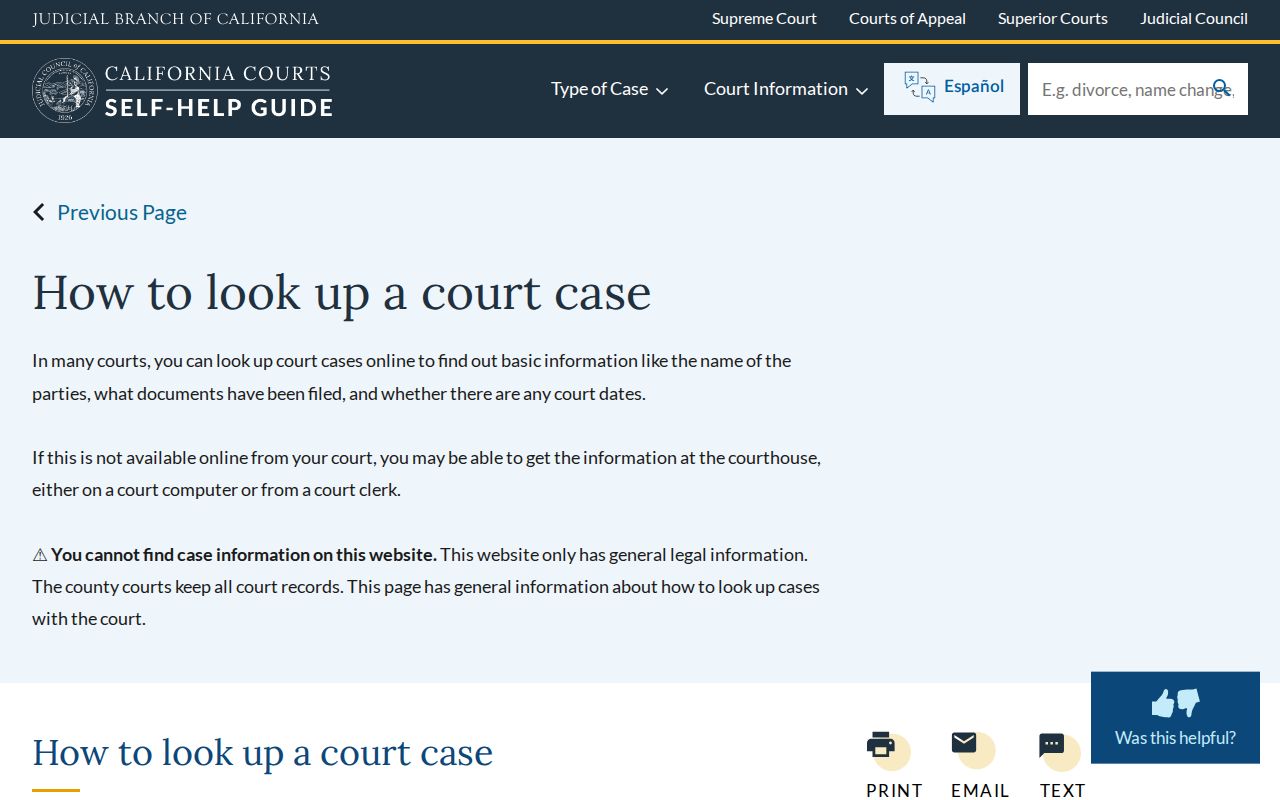
The court image belongs in the workflow as an access reminder. Alameda Superior Court is the custodian for local probate matters, and remote access can be narrower than courthouse access for detailed categories. A case index or docket is a lead; the full file and any order may have different access rules.
The Alameda County vital-record order route shows the county channel for certificate requests.
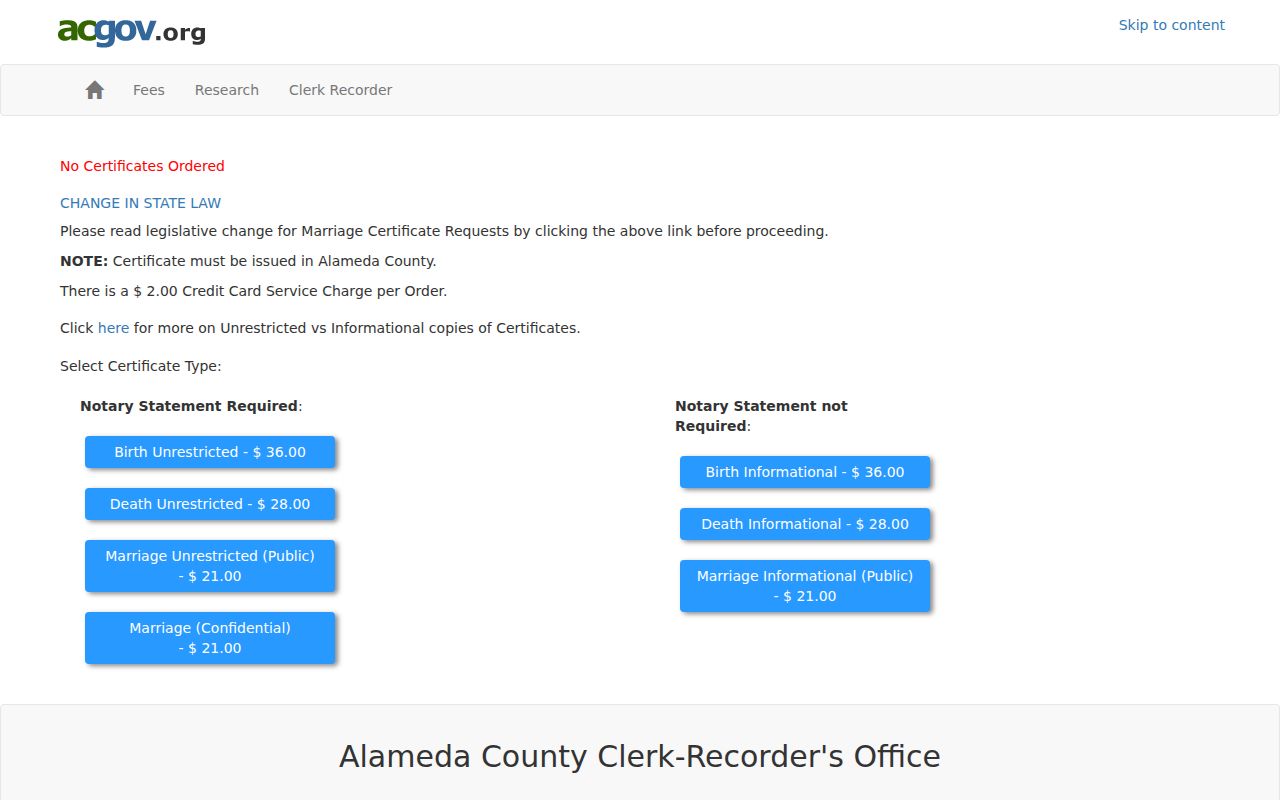
Use a vital record to test a death, marriage, or relationship only within the access category that applies. Oakland History Center obituary help, museum news clips, cemetery records, and FamilySearch catalog material can supply clues, but preserve the source and verify the fact with the responsible custodian.
Union City Previous Residents Evidence Limits
No single record set produces a complete list of previous residents. A deed identifies parties to a recorded land instrument. An assessor or GIS record begins with APN and situs. A directory records an asserted residence or business connection. A census records a household in an enumeration district. A permit records a project role. Voter information is purpose-restricted under California Elections Code section 2194, and the individual My Voter Status tool is not a public address roster.
Protected addresses can also be absent. California's Safe at Home program supplies substitute-address protection for eligible participants, and confidential court, vital, adoption, DMV, utility, and delivery records do not become general street directories. The research did not locate an open utility archive, a complete HOA roster, or a verified street-renumbering list for Union City. State the gap, preserve the record date, and avoid merging two people just because a name or parcel looks close.
A careful Union City previous residents search ends with a qualified conclusion: title continuity, household evidence, and family relationships are separate findings. Use them for lawful genealogy, estate and house-history research, and civic understanding. Verify with the custodian before relying on a record, and leave living people out of a public narrative unless disclosure is lawful and necessary.